Get Your Quote
Exosomal RNA Sequencing Home  > Exosomal RNA Sequencing

CD Genomics provides the exosome researchers with a comprehensive service to investigate exosome-associated RNA information.

The Introduction of Exosomal RNA Sequencing

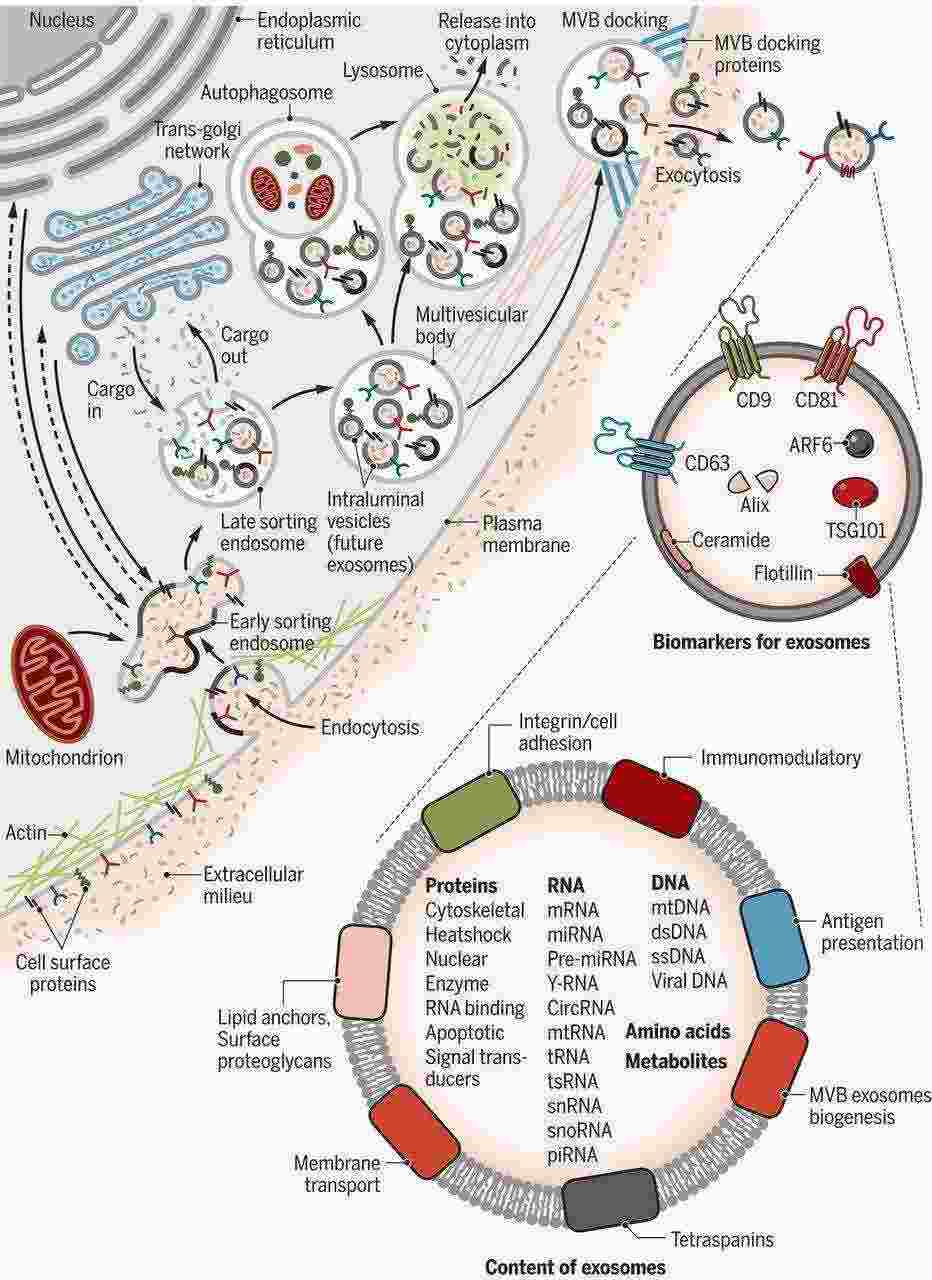
Exosomes are cell-derived vesicles that are present in many and perhaps all eukaryotic fluids, including blood, urine, and cultured medium of cell cultures. Once released, exosomes travel throughout the body, fuse with other cells and transfer their cargo to the acceptor cell. Recent research has uncovered evidence that exosomes play an important role in intercellular communication and disease transmission.

Figure 1. Exosome Biogenesis and Identification. (Kalluri et al., 2020)

Figure 1. Biogenesis and identification of exosomes. (Kalluri et al., 2020)

CD Genomics provides customers with the comprehensive exosomal RNA sequencing service. Exosomes contain distinct subsets of microRNAs, mRNAs, lncRNAs and other ncRNAs. Evidence is accumulating that the delivery of miRNA via exosomal transmission can result in fully functional or translatable long RNA within a recipient cell. Exosomal miRNAs may have important functions in cell-cell communication and have potential as biomarkers to detect and monitor disease. Exosomal RNA profiling provides insights into the exosome-associated RNA function and enables the applications as shown below.

  • Identifying changes in exosomal miRNA under disease states is considered to be a reliable method to discover sequence signatures for the diagnosis and prognosis of disease
  • The identity and expression level of exosomal mRNA have been considered a valuable approach to discover biomarkers from blood-based, saliva, and urine biofluid samples
  • Long noncoding RNAs (lncRNA) are also present in exosomes and can show expression patterns that are distinct from the cellular level

Advantages of Exosomal RNA Sequencing

  • Non-invasive Sampling: RNA samples are obtained from extracellular vesicles in bodily fluids such as blood, urine, and saliva, eliminating the need for invasive procedures. This approach reduces patient discomfort, minimizes risks, and enhances patient compliance.
  • Robust Stability: RNA enclosed within extracellular vesicles is shielded by vesicle membranes, rendering it more stable compared to free-floating RNA, thus less susceptible to degradation by RNA enzymes. This heightened stability streamlines sample handling and storage, ultimately bolstering data reliability.
  • Diversity and Richness: Exosomal RNA encompasses various RNA molecule types including mRNA, miRNA, and lncRNA, furnishing a wealth of genetic expression data that mirrors authentic cellular physiological states and pathological changes.
  • Real-time Cellular Reflection: Originating from living cells, extracellular vesicles offer real-time insights into cellular physiological and pathological conditions. Consequently, exosomal RNA sequencing can be harnessed for monitoring disease onset, progression, and treatment outcomes.
  • High Sensitivity and Specificity: Exosomal RNA sequencing techniques boast remarkable sensitivity, capable of detecting low-abundance RNA molecules. Additionally, the vesicles' specificity stemming from diverse cell origins enables early disease diagnosis and precise subtyping through RNA sequencing.
  • Wide-ranging Applications: Exosomal RNA Sequencing holds vast potential across diverse disease studies encompassing cancer, neurodegenerative disorders, cardiovascular diseases, and beyond. Its utility spans early disease diagnosis, prognosis assessment, treatment monitoring, and the discovery of novel biomarkers.
  • Facilitating Personalized Healthcare: Through exosomal RNA sequencing, personalized gene expression profiles can be garnered. When integrated with other molecular information, this can pave the way for tailoring individualized treatment strategies, enhancing therapeutic efficacy, and minimizing adverse reactions.

Exosomal RNA Sequencing Workflow

CD Genomics provides the end-to-end exosomal RNA NGS service including isolation of exosomes from serum, plasma, urine, tissue culture media, or other samples and extraction of their associated RNA using commercial kits. CD Genomics' exosomal NGS service combines Illumina NGS barcoded libraries and next-generation sequencing platforms, offering deep sequencing data of the highest quality to accelerate your exosomal RNA research.

Workflow Diagram of Exosomal RNA Sequencing.

Service Specification

Sample Requirements

  • Total RNA ≥ 100 ng, Concentration≥ 20 ng/µL
  • Cell supernatants≥ 15 mL
  • Serum, plasma≥ 1 mL
  • OD A260/A280 ratio ≥ 1.8, A260/230 ratio≥ 1.8, RIN ≥ 6
  • All total RNA samples should be DNA-free
  • RNA should be stored in nuclease-free water or RNA Stable.

Note: Sample amounts are listed for reference only. For detailed information, please contact us with your customized requests.


Click

Sequencing Strategies

  • Flexible service options include HiSeq 4000,HiSeq X ten and NextSeq 500, MGI DNBSEQ-T7/DNBSEQ-G400
  • Sequencing data volume: 10 Gb

Data Analysis
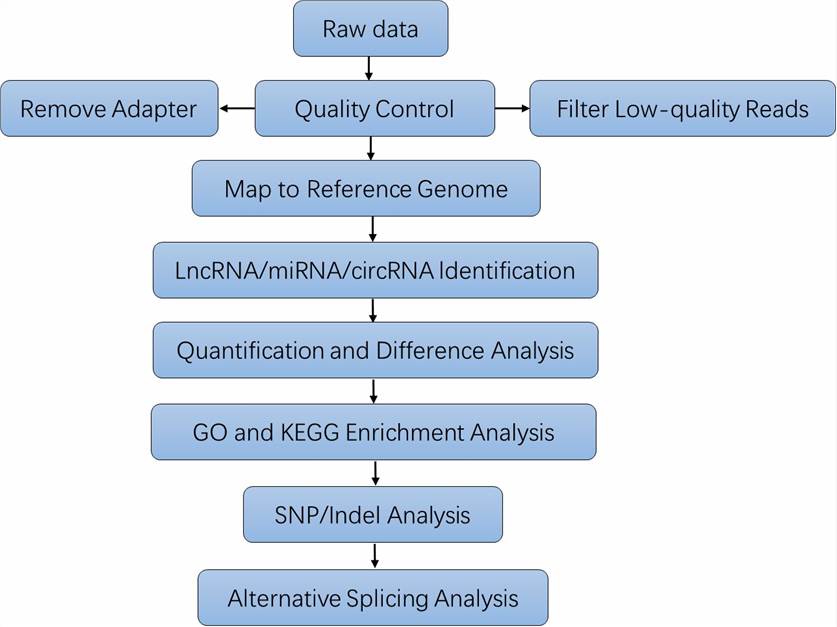
We provide multiple customized bioinformatics analyses:

  • Raw data QC
  • Alignment and TPM/RPKM/FPKM-based quantitation
  • Expression analysis
  • Statistics of SNPs/Indels
  • Alternative splicing analysis
  • GO and KEGG annotation

Note: Recommended data outputs and analysis contents displayed are for reference only. For detailed information, please contact us with your customized requests.

Analysis Pipeline

The Data Analysis Pipeline of Exosomal RNA Sequencing.

Deliverables

  • The original sequencing data
  • Experimental results
  • Data analysis report
  • Details in exosomal RNA sequencing for your writing (customization)

CD Genomics' Exosomal RNA sequencing conference focuses on the links between cell variation in tissues and organ function and further elucidates the origins of diseases. If you have additional requirements or questions, please feel free to contact us.

Demo Results

Partial results are shown below:

Distribution graph showing sequencing quality metrics

Sequencing quality distribution

Nucleotide distribution chart for A, T, G, and C bases

A/T/G/C Distribution

Genome visualization in IGV browser with sample data

IGV Browser Interface

Sample correlation analysis scatter plot

Correlation Analysis Between Samples

PCA score plot visualizing sample group differences

PCA Score Plot

Venn diagram illustrating data overlap between groups

Venn Diagram

Exosomal RNA Seq FAQs

1. What is the function of the exosome in RNA?

The exosome functions as a pivotal player in RNA metabolism, intricately involved in RNA degradation and processing mechanisms. Operating as an RNA exoribonuclease complex within eukaryotic cells, the exosome is dedicated to the surveillance and breakdown of a spectrum of RNA species. This pivotal role is paramount for sustaining the equilibrium of cellular RNA, orchestrating gene expression patterns, and orchestrating responses to cellular stressors. Additionally, exosomes partake in RNA surveillance pathways, meticulously overseeing the quality assurance of RNA transcripts pre-translation.

2. What RNA species are in exosomes?

As for the RNA species encapsulated within exosomes, they encompass a rich assortment, encompassing messenger RNA (mRNA), microRNA (miRNA), long non-coding RNA (lncRNA), transfer RNA (tRNA), and various minor non-coding RNAs. Safeguarded by the lipid bilayer membrane of the vesicles, these RNA molecules reside within exosomes shielded from rapid degradation. The presence of particular RNA species within exosomes is contingent upon variables such as cell type, physiological milieu, and pathological states. Significantly, these exosomal RNAs have the capacity to be transferred to recipient cells, where they wield influence over gene expression patterns and cellular functions within both normal and pathological contexts.

3. Which library preparation method should we choose: low-input or standard?

When the extracted RNA quantity exceeds 100ng, it is advisable to employ the standard rRNA-depletion method, utilizing 100ng of RNA for total transcriptome library preparation. Generally, a larger input of template during library preparation results in higher coverage of genetic information. The low-input library preparation approach is utilized when the sample quantity is limited; however, whenever feasible, conventional library preparation methods are preferred for experimental procedures.

4. Regarding exosome studies, should we use plasma or serum?

The recommendation leans towards using plasma due to the propensity of platelet activation during clotting in serum collection, leading to the generation of a significant number of exosomes and other vesicles. Consequently, the vesicles obtained from serum are consistently greater in number compared to those in plasma, with over 50% of vesicles originating from platelets. Thus, plasma serves as a superior medium for investigating exosomes in pathological physiological conditions. The majority of circulating exosome research samples make use of plasma.

5. What are the key considerations for exosome RNA sequencing?

In the context of exosome RNA sequencing, several critical considerations merit attention:

Sample Quality: Ensuring the quality of the sample source and adherence to standardized collection procedures.

Exosome Purity: Implementing efficient extraction methods to ensure the purity and integrity of exosomes.

RNA Quality: Extracted RNA should exhibit excellent integrity and purity to prevent degradation.

Technological Platform: Selection of an appropriate sequencing platform to guarantee data accuracy and reliability.

Data Analysis: Engaging a proficient bioinformatics analysis team to ensure the scientific rigor and robustness of data analysis.

6. What is the method of library construction?

CD Genomics typically prepares stranded, rRNA-depleted cDNA libraries from the DNA-free total RNA.

 

Address: Billing Address:: 150, Patparganj Industrial Area, New Delhi – 110092
Email: info@n2jenomicslab.com
Phone: +91-8287121443
105 Total Visitors
Copyright © 2026 | All rights reserved N2 Jenomics | Developed by Him Soft Solution