CUT&Tag Seq FAQs
1. What is the minimum number of cells required for CUT&Tag sequencing?
One of the key advantages of CUT&Tag sequencing is its ability to work with low-input samples. Typically, researchers can achieve reliable results with as few as 1,000 to 10,000 cells. This makes the technique highly suitable for single-cell epigenomics and studies involving rare or difficult-to-isolate cell populations.
2. How does CUT&Tag compare to ATAC-seq and ChIP-seq?
CUT&Tag is more sensitive and requires fewer cells compared to traditional methods like ChIP-seq, making it more cost-effective and efficient for studying protein-DNA interactions. While ChIP-seq requires large sample sizes and can be more prone to background noise, CUT&Tag offers higher specificity and requires less input material.
ATAC-seq is a technique used for mapping chromatin accessibility, and it focuses on identifying open regions of the genome. While both CUT&Tag and ATAC-seq provide insights into chromatin structure, CUT&Tag is more focused on protein-DNA interactions and can provide higher resolution data for studying histone modifications and transcription factor binding. For a more detailed comparison, explore our section on ATAC-seq.
3. What are the sample preparation requirements for CUT&Tag sequencing?
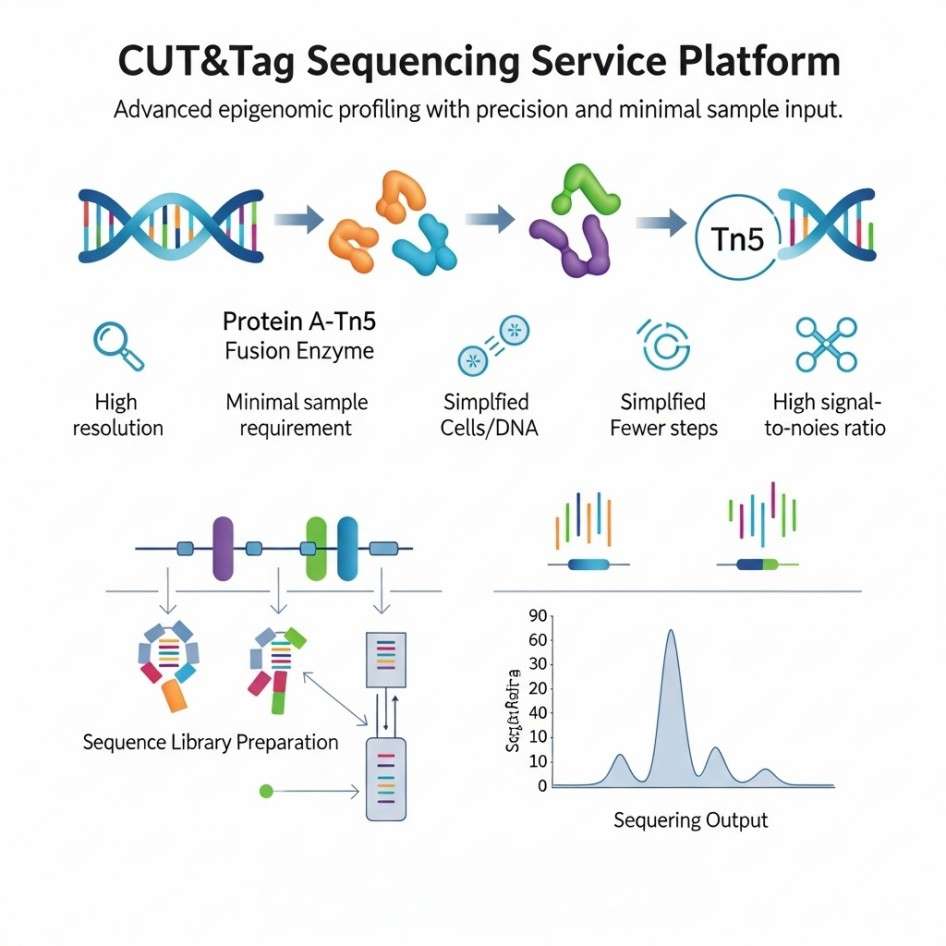
Sample preparation for CUT&Tag sequencing is straightforward but does require careful attention to detail. Typically, the process involves:
- Cell isolation: Cells of interest are isolated from tissue samples.
- Cell fixation: The cells are fixed to preserve protein-DNA interactions.
- Antibody incubation: An antibody specific to the protein of interest is introduced to bind to the protein.
- Tagmentation: The DNA near the antibody-bound protein is tagged for sequencing.
Researchers should ensure that the sample is of high quality, as poor sample preparation can affect the accuracy of the results. If working with low-input or rare cells, specialized protocols may be necessary.
4. How long does it take to get results from CUT&Tag sequencing?
The turnaround time for CUT&Tag sequencing typically ranges from 3 to 6 weeks depending on factors such as the sequencing depth, sample complexity, and additional bioinformatics analysis. However, if expedited processing is needed, many sequencing providers offer faster turnaround options at an additional cost.
5. Can CUT&Tag sequencing be used for single-cell analysis?
Yes, CUT&Tag sequencing is particularly well-suited for single-cell epigenomics due to its low sample input requirements. This makes it possible to study individual cells and investigate cellular heterogeneity, which is crucial for understanding complex biological processes and diseases.
6. What kind of bioinformatics analysis is required for CUT&Tag sequencing data?
After sequencing, CUT&Tag data requires bioinformatics analysis to interpret the results. This typically includes:
- Read alignment: Mapping the sequencing reads to a reference genome.
- Peak calling: Identifying regions of the genome that are enriched with protein-DNA interactions.
- Differential analysis: Comparing binding patterns across different conditions or samples.
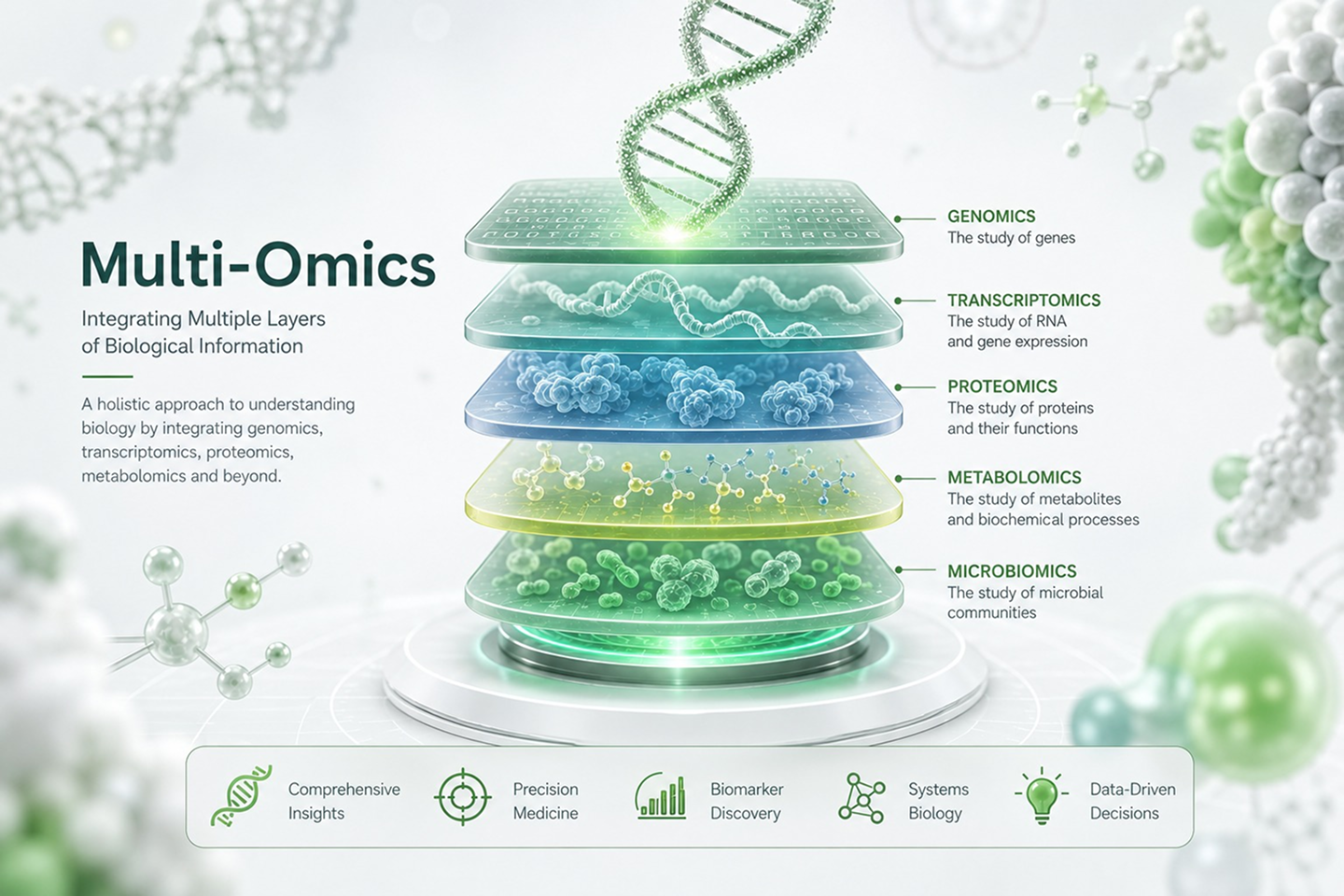
Depending on the complexity of the project, researchers may require additional custom analysis, such as motif discovery or integration with other omics data. Many sequencing providers offer bioinformatics services to support these analyses.
7. Is CUT&Tag sequencing suitable for histone modification studies?
Yes, CUT&Tag sequencing is an excellent method for mapping histone modifications across the genome. It provides high resolution and specificity, allowing researchers to identify specific histone marks associated with gene activation or repression. This makes it a powerful tool for studying chromatin structure and gene regulation.
For additional information, or if you have more questions about CUT&Tag sequencing, feel free to check out our comprehensive resources or contact our team for personalized support.