Organoids Sequencing Service
Home
> Organoids Sequencing Service
Organoid Sequencing Solutions: Map Heterogeneity and Uncover Drug Responses
At N2 Jenomics Lab Pvt. Ltd. , we specialise in tumor organoid sequencing—empowering cancer researchers with deep molecular insights from patient-derived 3D tumour models. We work with validated organoid partners to deliver robust downstream multi-omics analysis, including:
Whole-genome and transcriptome sequencing
Epigenetic profiling (e.g. CUT&Tag, EM-seq)
Drug response data integration
By capturing tumour heterogeneity, lineage-specific expression, and therapeutic vulnerabilities in a single workflow, our sequencing solutions accelerate discovery in precision oncology, biomarker development, and drug screening.
Organoid Sequencing: Unlocking High-Resolution Insights in Precision Oncology
Organoids—3D cell cultures grown in vitro—are revolutionising cancer research. By closely mimicking the structure, microenvironment, and biological behaviour of real tumours, tumor organoids offer a more accurate platform for drug testing and personalised therapy. Recognised as a top ten scientific breakthrough by Science in 2013 and named Nature Methods' Method of the Year in 2017, organoids have earned the nickname: "avatars for drug screening."
If traditional gene sequencing marked the dawn of precision oncology (1.0), then organoid-based drug sensitivity testing signals its next evolution: precision oncology 2.0.
Now, with the integration of organoid sequencing—including whole-genome, transcriptomic, and epigenomic profiling—researchers can map tumour heterogeneity at unprecedented resolution. This multi-omics approach allows scientists to identify clonal mutations, transcriptional subtypes, and drug response mechanisms all within the same organoid system. As a result, organoid sequencing bridges functional phenotyping with deep molecular insights, enabling more precise target discovery, resistance prediction, and biomarker development.
In short, organoid sequencing is transforming tumour models from passive drug test beds into dynamic platforms for high-resolution cancer genomics—fueling a new era of truly personalised medicine.
Organoid Models Available
We currently support organoid services for 10 of the most prevalent malignancies:
Esophageal cancer
Cholangiocarcinoma (bile duct cancer)
Pancreatic cancer
Lung cancer (including squamous cell carcinoma and adenocarcinoma)
Small-cell lung cancer
Gastric cancer
Colorectal cancer
Ovarian cancer
Breast cancer
Hepatocellular carcinoma (liver cancer)
Each model is developed using validated culture systems to reflect patient-specific tumour characteristics. Whether you're exploring tumour heterogeneity or screening compounds for clinical translation, our tumour organoid services offer a powerful tool for accelerating research outcomes.
Table 1. Comparative Analysis of Multiple Tumor Research Models
Evaluation Criteria
Organoids
Mouse Models
PDX
Cell Lines
Drosophila
C. elegans
Zebrafish
Ease of Establishment
Good
Partially Suitable
Partially Suitable
Partially Suitable
Least Suitable
Least Suitable
Partially Suitable
Ease of Maintenance
Good
Good
Optimal
Optimal
Good
Good
Good
Mimicry of Tumor Structure
Good
Good
Optimal
Not Suitable
Good
Good
Good
Experimental Cycle Time
Moderate
Good
Optimal
Optimal
Optimal
Optimal
Optimal
Genetic Background Similarity
Good
Partially Suitable
Not Suitable
Not Suitable
Partially Suitable
Not Suitable
Partially Suitable
Drug Screening Accuracy
Good
Good
Optimal
Least Suitable
Good
Good
Good
Physiological Relevance
Partially Suitable
Optimal
Optimal
Not Suitable
Partially Suitable
Not Suitable
Partially Suitable
Experiment Cost
Moderate
Good
Low
Optimal
Optimal
Optimal
Good
Effectiveness for Human Tumour Modelling
Optimal
Good
Optimal
Partially Suitable
Partially Suitable
Partially Suitable
Good
Our Soulution Packages One: OrganoCD™
To support the next wave of personalised cancer therapies, N2 Jenomics Lab Pvt. Ltd. now offers a specialised research solution focused on identifying key regulatory elements in tumour organoids. Our proprietary OrganoCD™ service—built on our proven expertise in epigenetics and LNA Gapmer technology—integrates CUT&Tag sequencing to provide high-resolution, genome-wide mapping for epigenetic and transcriptional landscapes.
What Is OrganoCD™?
OrganoCD™ is a tailored CUT&Tag sequencing service optimised for organoid-derived samples. It enables researchers to:
Profile genome-wide histone modifications
Map transcription factor binding sites in three-dimensional tumour models
Generate high-quality epigenomic datasets from limited input material
Applications in Regulatory Network Discovery
Combining OrganoCD™ with super-enhancer mapping and core regulatory circuit analysis allows you to:
Reveal critical regulatory nodes involved in disease progression
Identify novel therapeutic targets with high specificity
This approach offers a powerful strategy for uncovering functional elements that drive oncogenesis—opening new possibilities for targeted nucleic acid therapies and precision drug development.
Workflow for Identifying Core Regulatory Elements in Tumor Organoids for Precision Oncology
Our Soulution Packages Two: Multi-Omics Solutions for Tumor Organoids
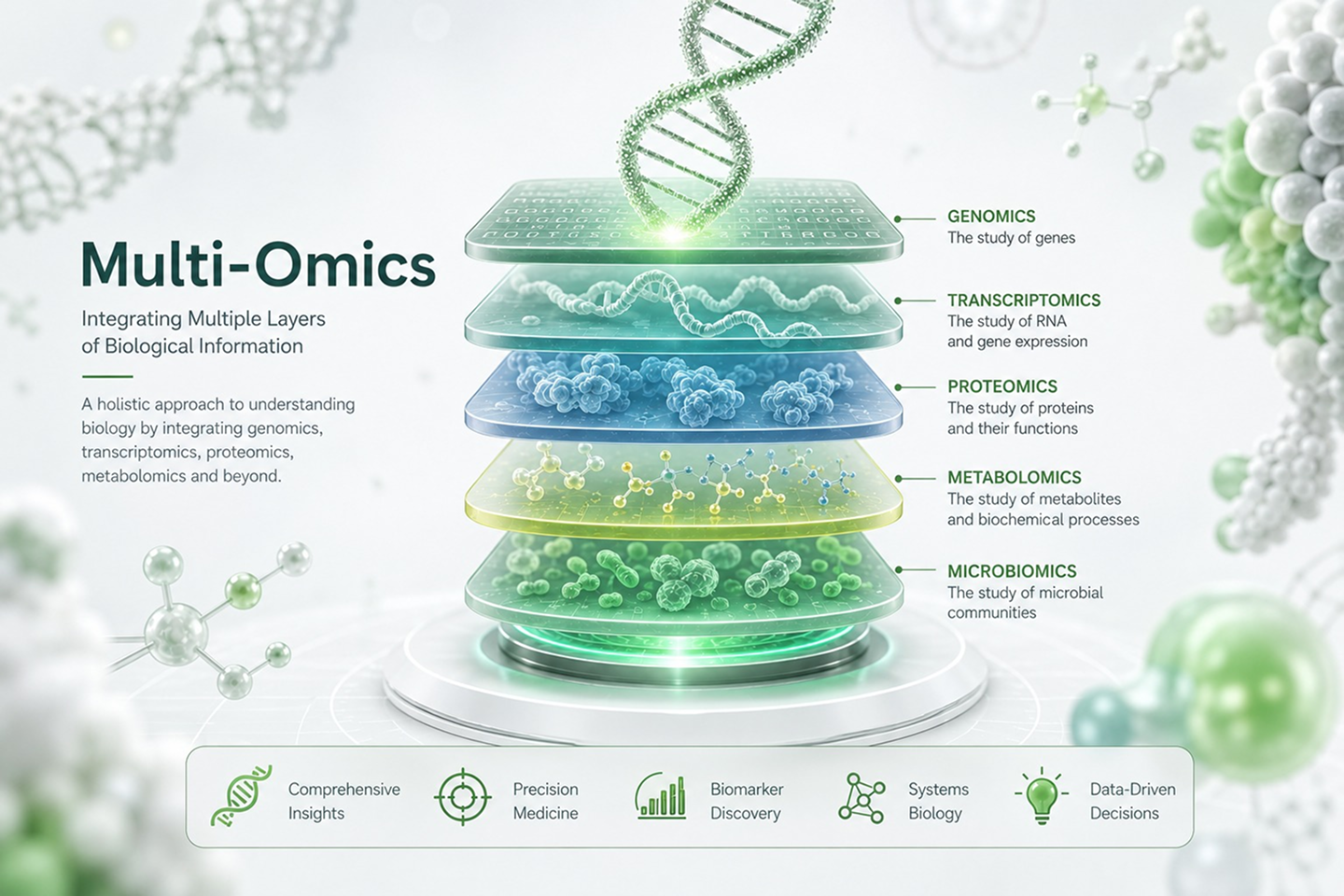
In addition to OrganoCD™, N2 Jenomics Lab Pvt. Ltd. offers a suite of advanced multi-omics services designed specifically for tumour organoid research. These solutions combine cutting-edge sequencing technologies with emerging cancer biology insights—giving researchers a deeper, more integrated view of tumour behaviour.
Explore Our Organoid Multi-Omics Toolbox
Our integrated organoid research platform supports the following high-resolution techniques:
DRUG-seq: High-throughput transcriptional profiling of compound responses
SLAM-seq: Real-time measurement of newly transcribed RNA to monitor dynamic gene expression
EM-seq: Enzymatic methylation sequencing for accurate, bisulfite-free DNA methylation analysis
Target Today's Most Impactful Research Frontiers
These omics workflows are optimised for studies in:
Organoid drug response mapping
Enhancer RNA activity and transcriptional regulation
Chromatin remodelling mechanisms
Phase separation and subnuclear organisation
Whether you're exploring gene regulation or evaluating therapeutic impact, our platform provides the depth and flexibility needed for modern precision oncology.
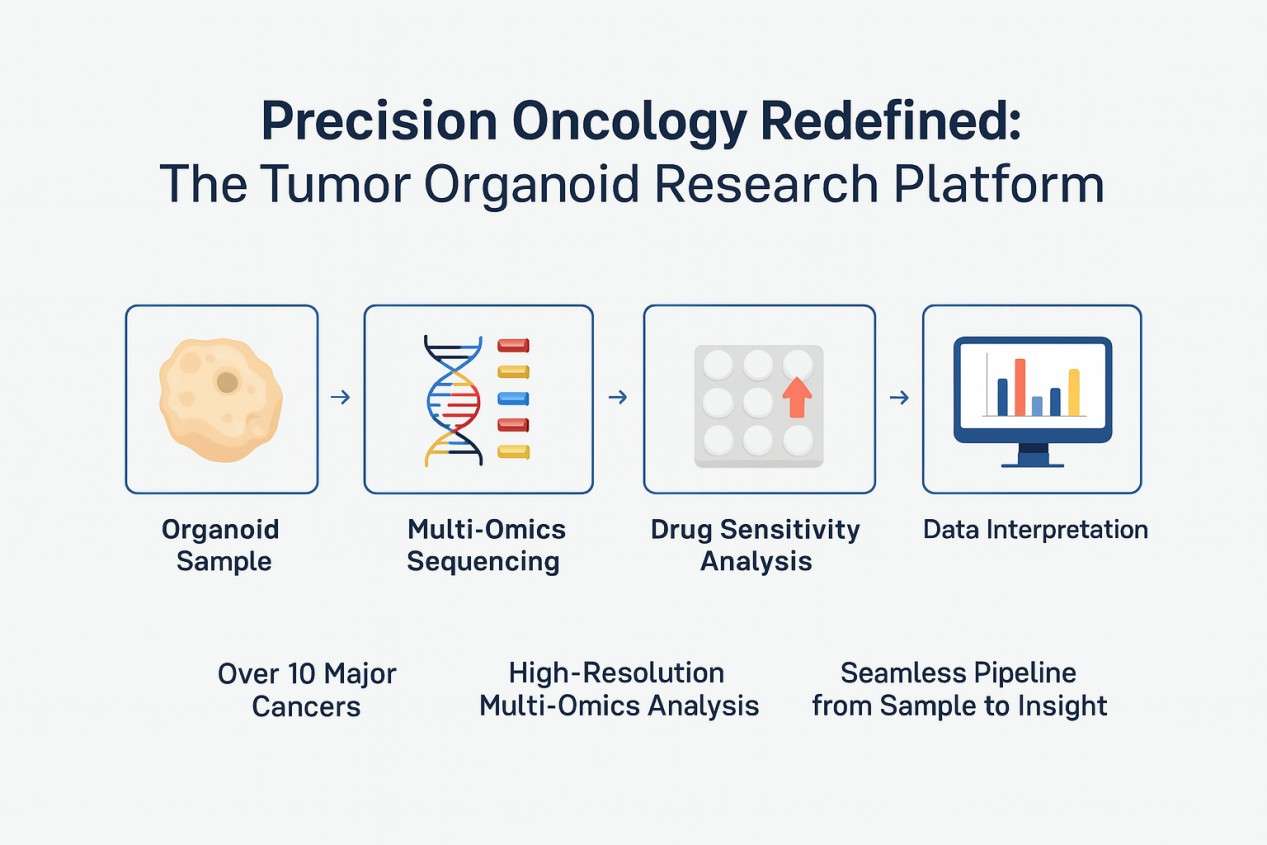
Integrated Multi-Omics Workflow for Tumor Organoid-Based Research
Our Solution Packages 3: Spatial Omics in Tumor Organoids for Mapping Cancer with Cellular Precision
By integrating spatial transcriptomics with tumour organoid models, researchers can now capture the full complexity of cancer biology in three dimensions. Unlike traditional approaches, spatial omics preserves the natural architecture and heterogeneity of tumours—offering a more accurate window into how cells behave in their native microenvironments.
Why Spatial Profiling Matters in Organoid Research
When tumour tissue is reprogrammed into an organoid and then analysed using spatial omics, the advantages are significant:
Captures tumour heterogeneity that would be lost in bulk analysis
Preserves spatial context for cell-cell interactions and lineage tracing
Reveals gene expression patterns across specific cell types and tissue regions
This technology bridges the gap between genetic information and biological function, allowing researchers to decode the molecular mechanisms driving tumour progression, resistance, and recurrence.
Spatial Omics Workflow for Tumour Organoids
Workflow
Key Technical Advantages
N2 Jenomics Lab Pvt. Ltd. offers a comprehensive, end-to-end organoid sequencing solution designed to meet the needs of oncology researchers. From culture to analysis, our service integrates cutting-edge technologies and proven protocols to deliver high-impact results.
1. Seamless, One-Stop Workflow
We provide full-service support—from organoid isolation and cultivation to drug screening and multi-omics sequencing. This unified approach:
Minimises turnaround time
Ensures sample integrity across workflows
Simplifies project coordination for researchers
2. Multi-Omics Integration Across Research Hotspots
Our platform combines organoid models with high-throughput epigenomic and transcriptomic sequencing. This enables:
Cross-layer insights into gene regulation and expression
A powerful toolkit for studying mechanisms of drug resistance, tumour evolution, and more
Collaborative analysis across popular oncology research areas
3. Broad Cancer Type Compatibility
Our organoid systems cover a wide range of malignancies—from gastrointestinal to gynaecologic and thoracic cancers—allowing for:
Customised models tailored to specific tumour types
Greater translational relevance for clinical research
Support for both rare and common cancer investigations
4. Proven Technical Reliability
With optimised protocols and a strong track record, our organoid sequencing services deliver:
High success rates in organoid generation and sequencing
Reliable data outputs for publication or therapeutic development
Increased confidence in experimental outcomes
Applications of Tumor Organoids Sequencing
Tumor organoid models, when paired with advanced multi-omics sequencing, are transforming how we understand and treat cancer. Below are five major applications driving precision oncology forward:
Unravelling Tumour Heterogeneity
Organoids reflect the complex cellular makeup of real tumours. Integrated with tools like transcriptomics, they enable researchers to:
Profile gene expression across diverse cell populations
Decode intra-tumour variation at the molecular level
Better understand how tumours evolve and resist therapy
Drug Screening and Mechanism Evaluation
Tumour organoids simulate the in vivo tumour microenvironment more accurately than traditional 2D cultures. When used alongside multi-omics data, they:
Accelerate high-throughput drug screening
Provide real-time feedback on compound efficacy and mechanism
Help identify patient-specific therapeutic candidates
Studying Tumour Progression and Metastasis
Establishing tumour organoid biobanks from patient samples allows for longitudinal research. These models can be used to:
Monitor tumour growth and metastatic potential
Track how tumours respond to different drugs over time
Discover resistance mechanisms through comparative sequencing
Discovering Novel Therapeutic Targets
Organoids, combined with deep molecular profiling, uncover the critical signalling pathways and regulatory elements driving cancer. This insight supports:
Identification of new molecular targets for therapy
Development of next-generation anti-cancer drugs
Personalised biomarker discovery for patient stratification
Organoid Seq FAQs
1. What types of tumor organoids do you support for sequencing?
We currently support validated organoid models for over 10 major cancer types, including colorectal, lung, breast, liver, ovarian, pancreatic, and gastric cancers. Each model is optimised to retain patient-specific molecular and histological features, enabling high-fidelity downstream analysis.
2. Can I send my own organoid samples for sequencing?
Yes. We accept client-supplied organoid samples, provided they meet our quality control criteria. Alternatively, we collaborate with validated partners to help source and expand organoids from patient tissues or cell lines if needed.
3. What sequencing technologies are included in your organoid multi-omics pipeline?
Our integrated platform supports whole-genome sequencing (WGS), bulk RNA-seq, EM-seq for methylation profiling, CUT&Tag for histone and transcription factor mapping, and spatial transcriptomics. All services are designed to work with low-input 3D samples.
4. How does your platform address tumour heterogeneity in organoids?
We combine high-throughput sequencing with computational deconvolution to identify transcriptional subtypes, clonal mutations, and region-specific epigenomic signatures—capturing intra-tumour heterogeneity at high resolution.
5. What sample input and QC metrics do you require for organoid sequencing?
For most applications, we require 100–500 ng of high-quality DNA or RNA from organoid cultures. Prior to sequencing, all samples undergo rigorous QC for nucleic acid purity, integrity, and quantity using Qubit and Bioanalyzer systems.
6. Can organoid sequencing be used for drug screening or sensitivity assays?
Absolutely. We support integration of pharmacogenomic data with genomic profiling to uncover druggable vulnerabilities. DRUG-seq and custom drug screening pipelines are available for evaluating compound efficacy directly on organoid models.
7. Do you offer regulatory element or enhancer mapping in organoids?
Yes. Our OrganoCD™ service uses CUT&Tag sequencing to profile transcription factor binding and enhancer activity. This enables regulatory circuit analysis and supports the discovery of tumour-specific therapeutic targets.
8. What bioinformatics support is included with your service?
We provide full analytical pipelines: alignment, variant calling, differential expression, epigenomic landscape reconstruction, regulatory network analysis, and multi-omics data integration. Custom reports include publication-ready figures and pathway insights.
9. How long does a typical organoid sequencing project take?
Project timelines depend on several factors, including sample quality, sequencing complexity, and selected analysis modules. We strive to deliver results efficiently while ensuring data integrity and analytical rigour. For more advanced workflows—such as spatial omics or large-scale compound screens—additional coordination time may be needed. Our project managers will provide a customised timeline estimate after reviewing your requirements.
10. What deliverables will I receive at the end of the project?
You will receive:
Raw FASTQ files and processed data (e.g., VCF, expression matrices)
Summary QC reports for sequencing and sample integrity
Integrated analysis report (PDF) with annotated results
Pathway and biomarker discovery insights (if applicable)
11. Is your organoid sequencing service suitable for clinical research or diagnostic use?
No. All services are for research use only and are not intended for diagnostic or therapeutic applications. However, our workflows are aligned with translational research standards and can support preclinical biomarker validation.
12. Can I customise the sequencing depth or analysis pipeline?
Yes. We offer flexible sequencing depths and modular bioinformatics options to meet specific research goals—whether you're exploring rare variants, transcriptional noise, or enhancer regulation.
Organoid Seq Case Studies
Case Study: Profiling Liver Cancer Heterogeneity Through Organoid-Based Pharmacogenomics
Contributor: Dr. Emily Hughes, Ph.D. Discipline: Cancer Epigenetics and Translational Genomics
Overview
Understanding intra-tumor heterogeneity (ITH) is one of the greatest challenges in precision oncology. In a landmark study published in Cancer Cell (April 2024), Hui Yang et al. demonstrated the power of organoid pharmacogenomic profiling to dissect cellular diversity and treatment response in primary liver cancer. Leveraging a large-scale biobank of 168 organoid lines, the researchers systematically decoded genetic, transcriptomic, and drug sensitivity patterns from a heterogeneous tumour population.
Objectives
Build a diverse panel of patient-derived organoids (PDOs) representing hepatocellular carcinoma (HCC) and intrahepatic cholangiocarcinoma (ICC).
Integrate whole-genome sequencing, transcriptomics, and drug response assays to characterise ITH.
Identify molecular subtypes and therapeutic vulnerabilities that could inform personalised treatment strategies.
Methods: Organoid Sequencing at Scale
The study used a multi-omics pipeline combining:
Whole-genome sequencing (WGS): for mutation and CNV detection
Bulk RNA-seq: for transcriptional subtyping
High-throughput drug screening: across >100 compounds
Clonal tracing and phylogenetic inference: to map evolutionary hierarchies
Notably, organoids were validated against matched patient tumours, preserving cell-of-origin signatures and tumour-specific transcriptomic states. This allowed for confident benchmarking of drug response against clinically relevant phenotypes.
Key Findings
Subtypes Reflecting Tumour Cell-of-Origin: Organoids stratified into hepatocyte-like, cholangiocyte-like, and intermediate transcriptional subtypes, correlating with distinct clinical outcomes and drug sensitivities.
Clonal Evolution Within Single Patients: Multiple organoids from the same patient often represented different tumour clones. For example, in one case, a hepatocyte-like clone was resistant to MEK inhibitors, while a co-existing clone showed high sensitivity—highlighting the importance of sampling tumour diversity.
Epigenetic Drivers of Drug Response: Integration of chromatin accessibility data revealed subtype-specific enhancer usage, influencing response to bromodomain inhibitors (e.g., JQ1). This reinforces the need for epigenomic profiling in organoid studies.
Therapeutic Opportunities: The study identified subtype-enriched vulnerabilities—such as CDK inhibitors for cholangiocyte-like organoids and ERK inhibitors for intermediate types—suggesting precision drug repurposing pathways.
Conclusion
The work by Yang et al. validates organoid sequencing as a next-generation platform for precision pharmacogenomics. It offers a translational roadmap for using PDOs not just to model cancer, but to stratify patients, design combination therapies, and anticipate resistance at the clonal level.
Figure. Multi-region organoid analysis reveals the functional impact of genomic intra-tumor heterogeneity This figure illustrates how liver cancer organoids derived from different tumour regions within the same patient exhibit distinct genomic profiles and drug response patterns. The data highlight the presence of subclonal variations and their role in shaping therapeutic sensitivity, underscoring the need for spatially resolved organoid models in precision oncology.
N2 Jenomics Lab Pvt. Ltd. ' organoid sequencing services—supporting WGS, RNA-seq, CUT&Tag, and beyond—are uniquely positioned to help research teams deconvolute tumour complexity and unlock targeted therapeutic solutions.
References
oshimitsu, K, Takano, ., fuii, M. et al. 0rganoid screening reveals epigenetic vulnerabilities in human colorectal cancer. Nat Chem Biol 18,605-614 (2022).
121 Yana H etal. Pharmacogenomic profling of intra-tumor heterogeneity using a large organoid biobank of iver cancer Cancer Cell. 2024 April 8
Address:Registered Office: 150, Patparganj Industrial Area, New Delhi – 110092, India
Operational Address:National Institute of Plant Genome Research (BRIC - NGGF)
Lab No. 206 and 207, Aruna Asaf Ali Marg, P.O. Box No. 10531,
New Delhi – 110067, India