-
Sequencing
-
Genomics Sequencing
- Complete Phage and Plasmid Sequencing
- Viral Genome Sequencing
- Whole Exome Sequencing
- Amplicon Sequencing Services
- TCR & BCR Sequencing
- Gene Panel Sequencing Service
- Human/Mouse Whole Exome Sequencing
- Animal/Plant Exome Sequencing Service
- Telomere-to-Telomere Sequencing
- Mitochondrial DNA (mtDNA) Sequencing
- Targeted Region Sequencing
- Chloroplast DNA (cpDNA) Sequencing
- Human Mitochondrial DNA (mtDNA) Sequencing
- Plant/Animal Whole Genome de novo Sequencing
- Hi-C Sequencing
- eccDNA Sequencing
- CiFi Sequencing Service
- Whole Genome Sequencing
-
Transcriptomics
- Bacterial RNA Sequencing
- Small RNA Sequencing
- Degradome Sequencing
- Ultra-Low RNA Sequencing
- Poly(A) Sequencing
- tRNA Sequencing Service
- Cappable-seq
- IVT mRNA Sequencing
- Exosomal RNA Sequencing
- CircRNA Sequencing
- RNA-Seq
- Ribosome Profiling (Ribo-seq)
- Total RNA Sequencing
- Dual RNA-seq
- Polysome Sequencing Service
-
Epigenomics
- Targeted Bisulfite Sequencing
- Reduced Representation Bisulfite Sequencing
- ATAC-Seq
- EM-seq Service
- Whole Genome Bisulfite Sequencing (WGBS)
- MeDIP‑Seq / hMeDIP‑Seq
- ChIP-Seq
- RIP-Seq
- DAP-Seq Service (DNA affinity purification sequencing)
- 1 5mC/5hmC Sequencing
- oxBS-seq
- Nanopore RNA Methylation Sequencing Service
- 2'-O-RNA Methylation Sequencing Ser
- 1 Precise CLIP-seq Services
- CUT&Tag Sequencing Service
- Methylation Screening Array 270K Service
- DNA Methylation Assay (Illumina 935K) Service
- Illumina 5-base Sequencing Service
- MeRIP Sequencing (m6A Analysis)
- PacBio SMRT Sequencing
- Nanopore Sequencing
-
Microbiome
- 16S/18S/ITS Amplicon Sequencing
- Viral Metagenomic Sequencing
- Metagenomic Shotgun Sequencing
- Metatranscriptomic Sequencing
- Microbial Whole Genome Sequencing
- Absolute Quantitative 16s/18s/ITS Amplicon Sequencing
- Microbial Identification
- Absolute Metagenomic Sequencing Service
- Antibiotic Resistance Gene Analysis
- Single-Cell Sequencing
- Genome Editing & Sequencing
-
Other Services
- Antibody Screening Sequencing (Phage Display Library Screening)
- Sanger Sequencing
- Lentiviral/Retroviral Integration Sites Analysis
- AAV Genome Sequencing
- AAV (Adeno-Associated Virus) Integration Site Analysis
- HLA Typing
- Drug-seq Service
- DNA Barcoding Services
- Drug Repurposing Service
- Organoids Sequencing Service
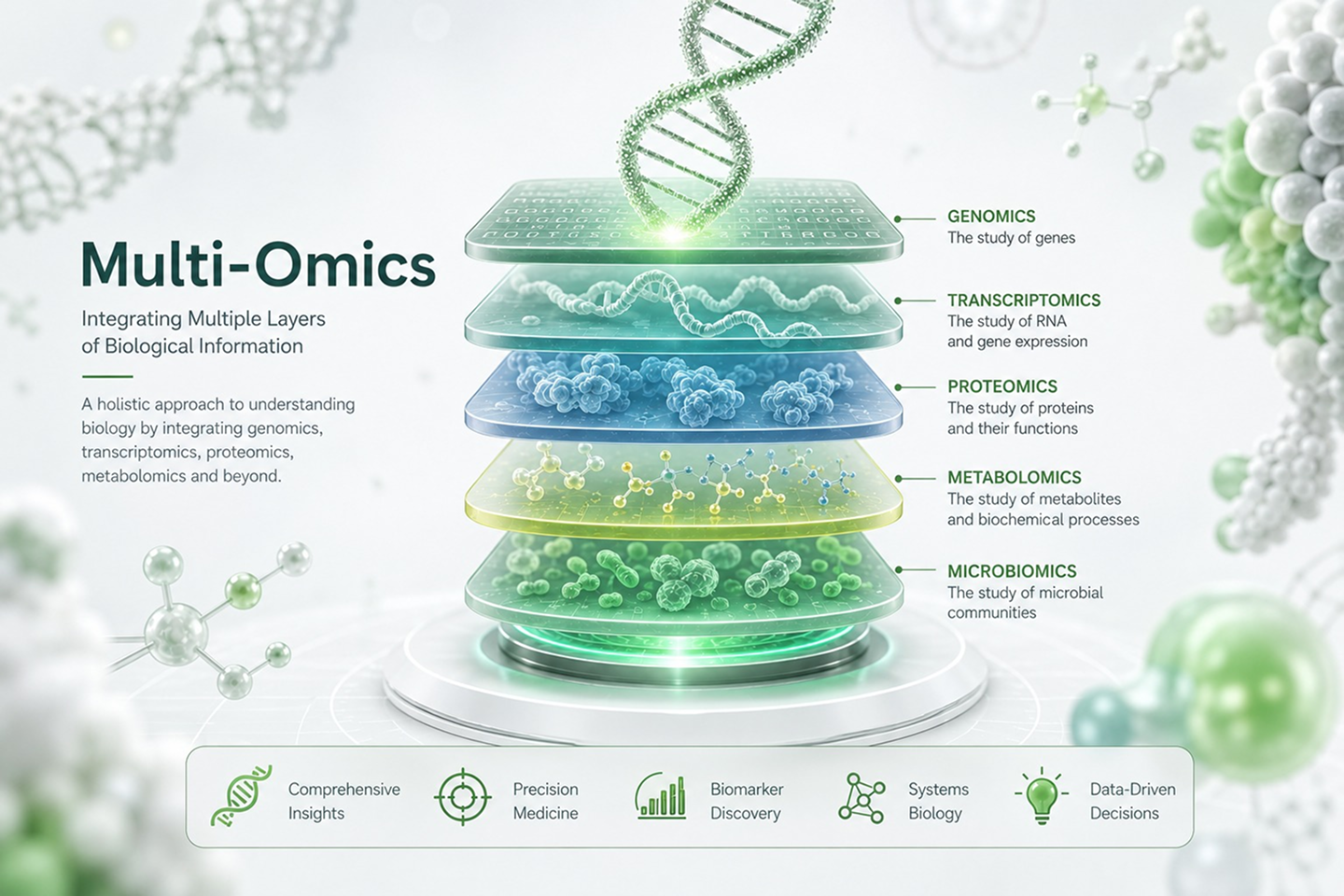
- Multi-Omics Service
- Antibody Sequencing
- PhIP-Seq
- Spatial multi-omics sequencing
-
Genomics Sequencing
-
Genotyping
- Whole Genome SNP Genotyping
- SNP Fine Mapping
- CNV Genotyping
- DNA Fragment Service
- APOE genotyping
- Parentage Test
- Skim Sequencing
- Cell Line Identification
- Population Genetics
- Bioinformatics
-
Microarray
- Transcriptomics Microarray
- DNA Methylation Microarray Service
- Global Diversity Array Service
- Genomics Microarray Services
- Cloud
-
Solutions
- AAV Long-Read Sequencing Solution
- Genome Assembly Strategy Solution
- PolyA length Analysis
- Isoform and Alternative Splicing Discovery
- CAR-T Single-Cell Multiomics Solution
- DNA Methylation Clock Sequencing Solution
- T-Track TILs Solution
- Universal CAR-T Safety Characterization Solution
- cfDNA Methylation Sequencing Solution
- Base Editing Safety Assessment Solution
- Synthesized RNA sequencing and modification detection
- Engineered Microbial Strain Safety Assessment Service
- Structural Variant and Haplotype Analysis Solution
- In Vivo CAR-T Integration Site Analysis Solution
- Long-Read Integration Site Analysis Solution
- In Vivo Gene Therapy Sequencing and Biodistribution Analysis Solution
- iPSC Gene Editing and Quality Control Solution
- ASO and siRNA Drug Development Omics Solution
- cfDNA Detection and Analysis Platform
- Company